

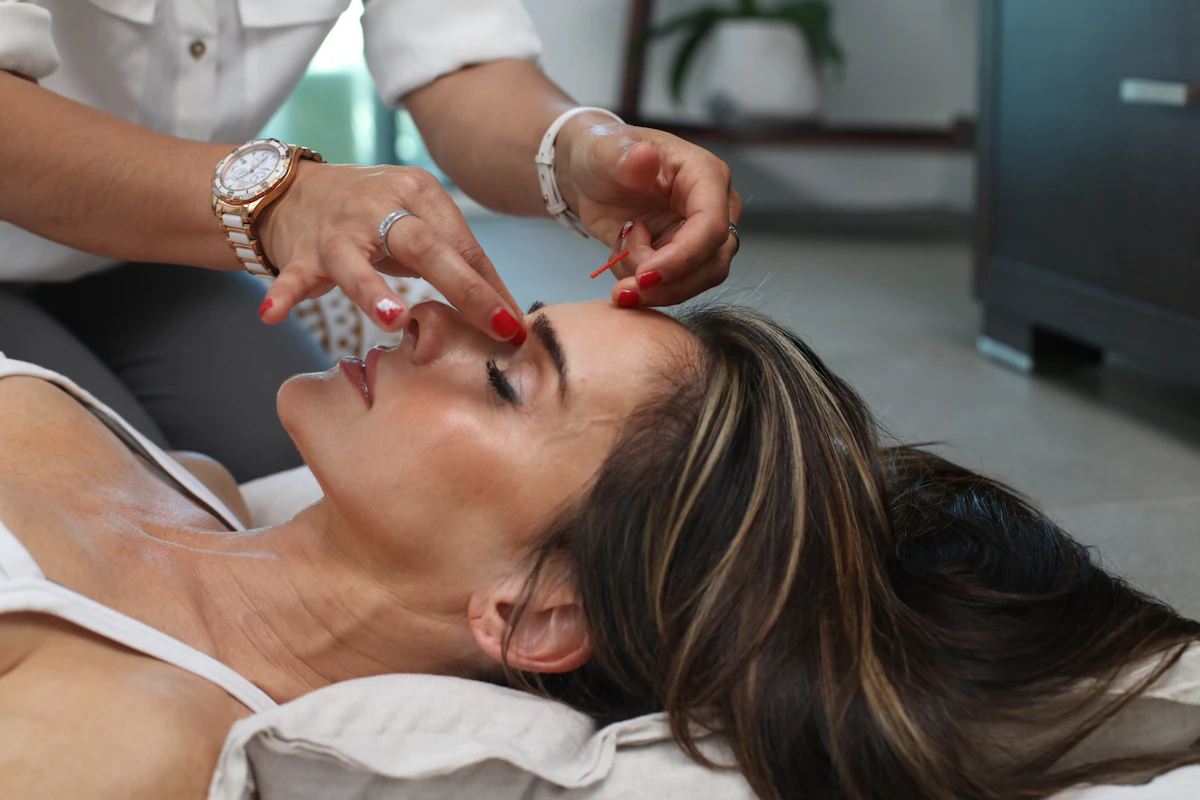
This is the question I get asked more than any other, usually somewhere between the cleanse and the steam: should I be getting a facial or microdermabrasion? The honest answer is that they solve different problems, and a lot of people book the wrong one for what they actually want fixed.
The Short Answer
A facial is a treatment for your skin's condition — congestion, dullness, dehydration, general upkeep. Microdermabrasion is a treatment for your skin's texture — roughness, enlarged pores, shallow acne scarring, the sandpaper feeling.
If you run a finger over your cheek and the complaint is how it looks, book a facial. If the complaint is how it feels, book microdermabrasion. If it is both — and for most people it is both — book them as one appointment. That combination is what people usually mean when they search for a microdermabrasion facial.
What a Classic Facial Actually Does
A facial is a sequence, and each step earns its place. Cleanse to get the day off your skin. Steam to soften the plugs sitting in your pores. Extractions where they are needed, done properly so nothing scars. A mask chosen for what your skin is doing that week, not what it did last time. Then serum, moisturiser, and SPF.
What it is good at: clearing congestion, rehydrating skin that has gone tight and flat, calming irritation, and giving you a visible lift before an event. What it will not do: change your skin's texture in one session. A facial works on the surface layer's condition, not its structure.
What Microdermabrasion Actually Does
Microdermabrasion is physical resurfacing. A diamond-tipped wand passes over the skin and abrades the outermost layer of dead cells, while a vacuum lifts the debris away as it goes. The suction also pulls blood flow toward the surface, which is part of why skin looks brighter immediately afterward.
Removing that dead layer does two things. It reveals fresher skin underneath, and it signals the skin to produce new cells and collagen. That second part is why a course of treatments compounds — each session builds on the last rather than starting over.
What it is good at: rough texture, enlarged pores, shallow acne scarring, dullness that no amount of moisturiser fixes. What it will not do: treat deep scarring or active, inflamed acne. Passing an abrasive tip over angry breakouts makes them angrier.
Why the Combination Works Better Than Either Alone
Here is the part that changes people's minds. Your skincare products — the serum you spent too much on, the mask included in your facial — have to get through a layer of dead cells before they reach anything living. That layer is exactly what microdermabrasion removes.
So when we exfoliate first and then run the facial steps, the mask and serums land on skin that can actually absorb them. Same products, noticeably better result. The order is not arbitrary: resurface, then treat, then seal.
In practice a combined microdermabrasion facial in Brampton runs about twenty minutes longer than a facial on its own. That is the whole cost of it, and it is the appointment I recommend most often.
How to Choose, Honestly
Book a facial if: your skin is congested or dull, you are breaking out, you want maintenance every four to six weeks, you have an event this week, or you have never had a professional treatment and want to start gently.
Book microdermabrasion if: texture is the complaint, your pores look larger than they used to, you have shallow marks left from old breakouts, or your makeup has started catching on rough patches.
Book both if: you want the best version of the result and you can spare the extra twenty minutes. Most people fall here.
Book neither yet if: you have active cystic acne, a fresh sunburn, or you have used a retinoid in the last five days. Tell me and we will plan around it.
What to Expect Afterward
After a facial: nothing dramatic. Skin looks clearer and feels softer straight away. If you had extractions, expect some pinkness where they were done, gone within a few hours.
After microdermabrasion: mild pinkness, like light windburn, which settles in an hour or two. Skin feels smooth immediately and keeps improving for several days as new cells surface. Days two through five are usually when people notice it most. No time off, no peeling, no hiding.
For both: wear sunscreen. Freshly exfoliated skin burns faster, and undoing the work with one unprotected afternoon is a genuinely common mistake.
How Often
Facials suit a four to six week rhythm, which roughly matches how long your skin takes to turn over a full cycle of cells. Microdermabrasion sits at two to four weeks if you are working through a specific texture problem, then stretches out to every six or eight weeks for maintenance once you are happy.
You do not need a package or a commitment to start. Come once, see how your skin responds, and we will decide from there.
Booking
Glisten by Warda is a private, women-only studio near Queen St and Mississauga Rd in Brampton, working with clients from Mississauga, Caledon, and across the GTA. One client at a time, by appointment. If you are not sure which of these two you need, message me and describe what is bothering you — that is usually enough for me to tell you.


